Keeping Anxiety Manageable

Anxiety is a universal emotional response, which has kept humans alive for millennia. We all fear things that appear unsafe or threatening. In my lifetime, there has been a refined understanding of how this emotional response can affect some people adversely. Science has provided new medicines to help us cope when other strategies, such as cognitive behavioral therapy don’t provide enough relief.

Doctors can offer many different medication options. It’s important to try one out for a period of several weeks to see if it’s right for you. Keep a journal of how it affects your mood, focus, energy, appetite, sex drive, and sleep so you can remember how you were feeling to share with your doctor.

Personally, I began to suffer from anxiety around age forty, when I suddenly experienced agoraphobia and didn’t want to leave my house. With counseling, I was able to trace this back to a traumatic event that occurred in my twenties. Then I used the gradual exposure method of cognitive behavioral therapy (CBT) to gradually face my fears.

I have tried several mediations over the past twenty years and was able to work full-time, raise my kids, and remain productive. Recently I have found a better medication for myself that doesn’t give me any unwanted side-effects. Sometimes you need to change it up when a certain med loses it efficacy for you after many years. I also tried weaning myself off my meds altogether, but I found that I still struggled with feeling impatient and edgy all the time, so I am staying the course. It’s always a personal decision.

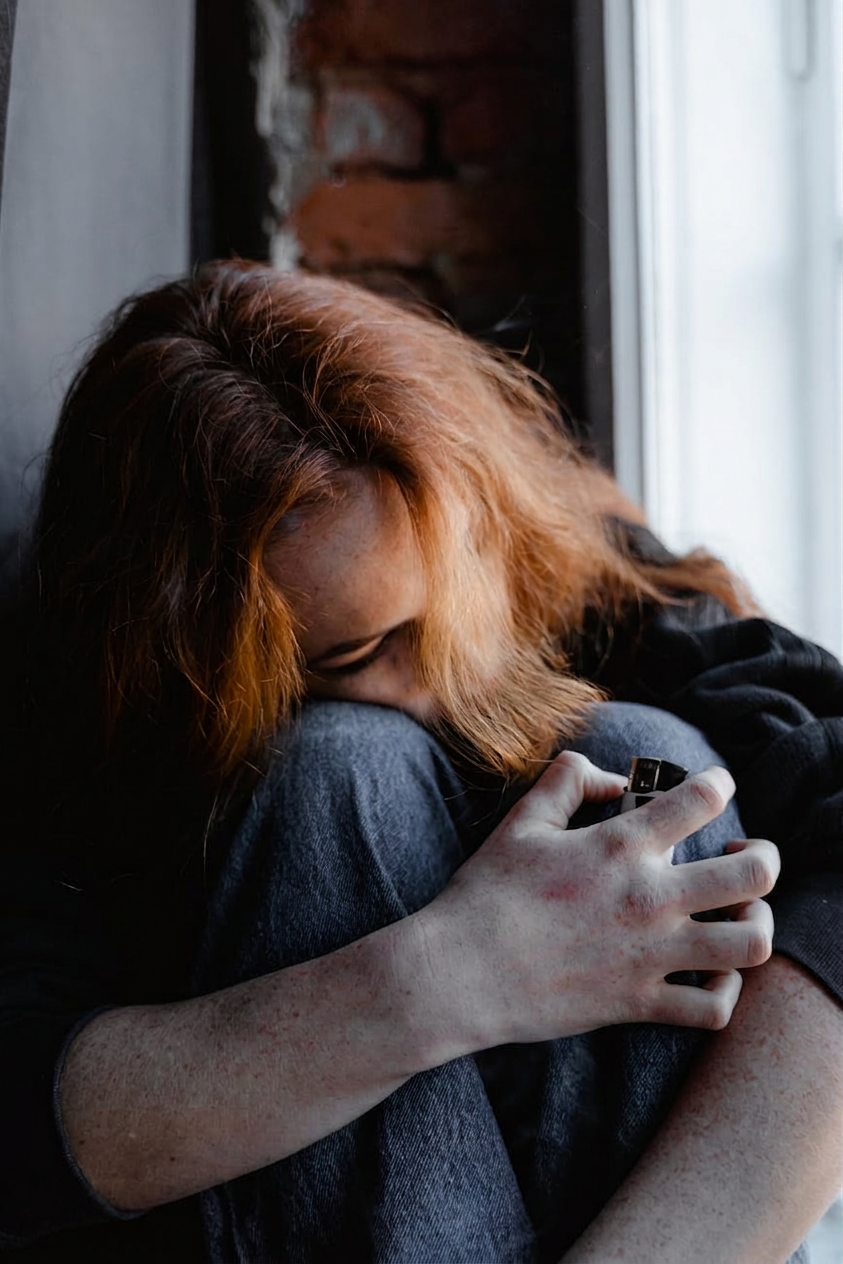
Photo by MART PRODUCTION on Pexels.com


Subscribe to get the latest posts sent to your email.

6 responses to “Keeping Anxiety Manageable”

  1. Thanks for sharing your journey, Naomi. I like the way you describe the biochemical aspects of anxiety. You give a nod to the emotional impact, too, which goes with, or causes, some of the stress.

    I believe that I take my own anxiety too personally, often self-critically, plunging myself into an inner war that leaves me disliking myself. The thing is: it’s a ritualistic behaviour on my part. I really do like & love myself, but when I’m stressed, I follow a sort of learned helplessness pattern.

    I deny the stress, then I surrender and stop all possible positive actions. The “should’s” pour in and I basically hide from myself, wait it out half a day, a whole day, even two days, and then do something positive and creative, and I return to celebrating my good fortune.

    At present, I believe I’ve shelved a lot of grief and it is appearing unbidden. I’m okay with a little bit of hiding. As long as I’m writing creatively every day I feel enriched. I’m a comparatively healthy person and grateful for that.

    I believe in sharing with friends and I’m so glad you’re sharing this blog. Susan

    Like

    1. Thank you for sharing, Susan. Yes, I’m sure that hiding out and self-admonishing could easily become a pattern, but the fact that you have noticed this is half the battle! Just remember, you are one of the most positive, accomplished people I know.

      Like

  2. I’m sorry for all people struggling with some form of mental illness. I had childhood trauma, a physically and mentally abusive step-father. I survived that and when I got older, I became the opposite of that. I became what I wished I had. I don’t understand how people that were abused become abusive? It makes zero sense to me. I appreciate the life I have now, but I still can’t sit still, I always feel slightly on edge for no reason. This is the trauma I have but it’s so minor compared to what other people go through. I also find I’m very good at reading people and in stressful situations I can slow everything down and find a solution because whatever is occurring it’s not as bad as it once was. If that makes sense? On the positive side, when I sit outside on my patio early in the morning and enjoy my coffee, I feel an intense feeling of gratitude for all I have now. You appreciate the simple things more if you didn’t have that when you’re young. I’ve never needed medication for my early trauma but fully support anyone that needs it, and it’s wonderful if it can help you cope. Great blog Naomi. DK

    Like

    1. Thank you for sharing and I’m so sorry you suffered childhood abuse. I can’t think of anything worse. I’m glad you were able to break the cycle in your own adult life.

      Like

  3. Naomi, this is Ed Coonce. I have experienced this anxiety in my family, my wife, and it is a continual process to keep the levels under control. Sometimes I just don’t know what to do. Thank you.

    Like

    1. I’m so sorry your wife is suffering with anxiety. It definitely affects the whole family. I know I have been a lousy parent at certain moments because of it, but thankfully my daughter has learned how to navigate my moods.

      Like

Please leave a comment. I’d love to hear from you.

Discover more from naomilane32-hkdpq

Subscribe now to keep reading and get access to the full archive.

Continue reading